Gender Issues Showlist
Women, Peace & Security
UNSCR 1325 calls on all parties to: protect and respect the rights of women and girls in conflict & post-conflict; increase women participation in all conflict resolution, peacekeeping and peace-building & to end impunity by prosecuting perpetrators of sexual and other violence on women and girls
index.php?option=com_content&view=category&id=56&Itemid=1913
Human Rights of Women
Thirty six years after the adoption of CEDAW, many women and girls still do not have equal opportunities to realize rights recognized by law. Women are denied the right to own property or inherit land. They face social exclusion, “honor killings”, FGM, trafficking, restricted mobility, early marriage,...
index.php?option=com_content&view=category&id=44&Itemid=1908
Violence Against Women
Violence against women is the most shameful human rights violation. Gender based violence not only violates human rights, but also hampers productivity, reduces human capital and undermines economic growth. It is estimated that up to 70 per cent of women experience violence in their lifetime
index.php?option=com_content&view=category&id=69&Itemid=1912
Political Participation & Leadership
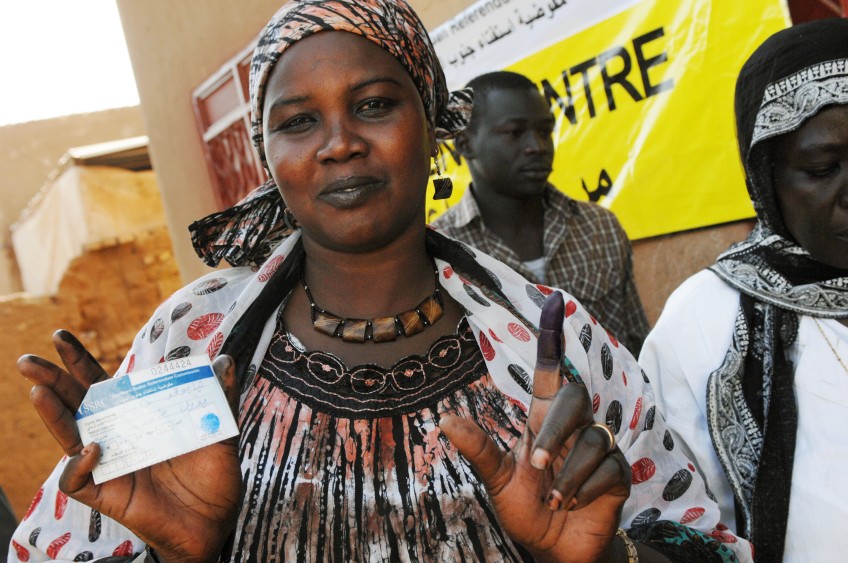
Where women are fully represented, societies are more peaceful and stable. Women political participation is fundamental for gender equality and their representation in positions of leadership must be a priority for all Africans governments.
index.php?option=com_content&view=category&id=65&Itemid=1911
Latest News
- WE'RE RECRUITING RESEARCH FELLOWS! Apply before 15 May 2024
- CONGO- KINSHASA: Congolese Woman Excels in Beekeeping
- SUDAN: Scourge of Sexual Violence Amid Ongoing Conflict Demands Urgent Response
- MALAWI: Malawi Takes Steps to End Poverty Among Women and Girls
- NIGERIA: Period Poverty: Millions Bleed in Silence as Prices of Sanitary Hit the Roof
- COMOROS: Presidential election 2024
- SOUTH AFRICA: Climate Change Makes Life Harder - in South Africa It's Likely to Bring Heatwaves, Water Stress and Gender-Based Violence
- LIBERIA: Liberians Call for Greater Government Efforts to Promote Gender Equality
- GAMBIA: Stakeholders Affirm Nutrition Bill Will Empower Women
- MADAGASCAR: Malagasy Praise Govt Efforts to Promote Gender Equality but Want to See More